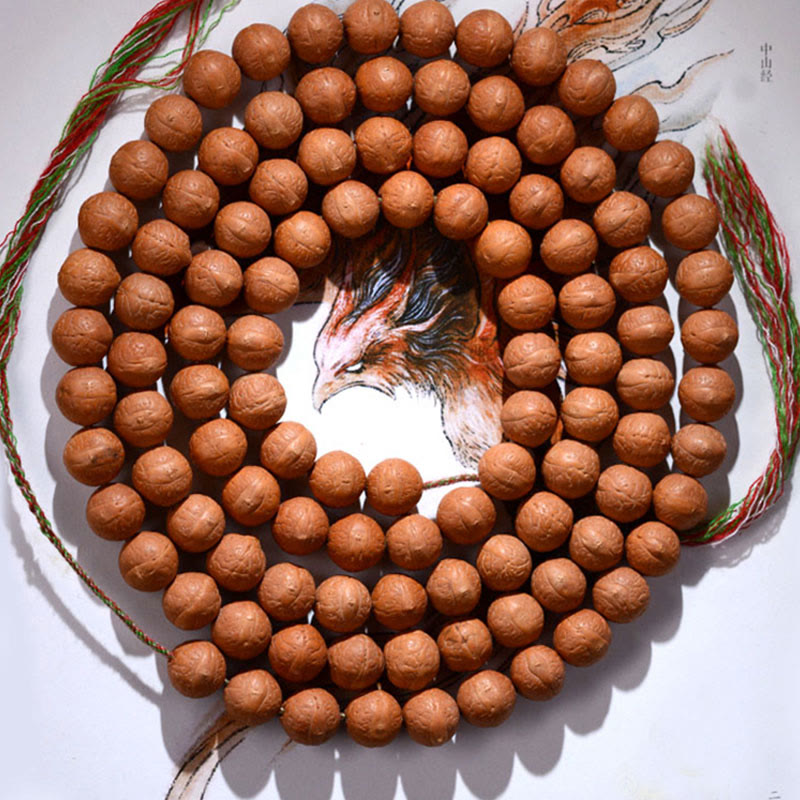
The History and Origins of Buddhist Beads: A Spiritual Journey Through Time
Buddhist beads, also known as mala beads, are much more than simple jewelry or accessories—they are sacred tools that have been used for thousands of years in Buddhist and Hindu traditions. These beads, typically made up of 108 beads, are a crucial part of meditation and prayer practices. But where did they come from, and what is the significance behind them? Let’s explore the rich history of Buddhist beads and how they’ve evolved over time.
The Early Beginnings of Buddhist Beads
The use of beads for prayer dates back over 2,000 years, originating in ancient India. The concept of the mala, which means “garland” in Sanskrit, was originally tied to Hinduism and other spiritual practices. However, with the spread of Buddhism, the use of mala beads became an essential part of Buddhist meditation.
In ancient times, mala beads were made from various materials, such as wood, seeds, or even bones. These materials were carefully chosen for their symbolic meanings. For example, lotus seeds were often used because the lotus flower is a symbol of purity and enlightenment in Buddhist philosophy. Over time, beads made from other materials, like precious stones, rosewood, sandalwood, and crystal, began to gain popularity, each believed to offer its unique spiritual benefits.
The Spiritual Significance of Mala Beads
Mala beads are typically made up of 108 beads, with one additional bead called the guru bead or meru bead, which is slightly larger or different in shape. The number 108 is symbolic in many Eastern traditions. In Buddhism, it is believed that there are 108 defilements (or mental obstacles) that a practitioner must overcome to achieve enlightenment. By reciting mantras or prayers and moving through the beads, the practitioner works through these obstacles, purifying their mind and soul.
The guru bead is significant because it marks the beginning and end of a meditation cycle, symbolizing the teacher-student relationship and serving as a reminder of the ultimate goal—spiritual enlightenment.
Mala Beads Across Different Buddhist Traditions
While the use of mala beads is common across many Buddhist traditions, different schools of thought may emphasize different aspects of the beads. In Tibetan Buddhism, for example, malas are often used in conjunction with mantras, such as “Om Mani Padme Hum,” and are counted during meditation to help focus the mind and invoke compassion. In Zen Buddhism, the focus is less on the beads themselves and more on mindfulness during meditation. In contrast, in the Japanese Pure Land tradition, malas are often used in chanting the name of Amitabha Buddha as a means to attain rebirth in the Pure Land.
Despite these variations, the use of mala beads remains a powerful tool for cultivating mindfulness, concentration, and spiritual growth in any tradition.
Modern-Day Mala Beads: A Global Phenomenon
In recent years, mala beads have transcended their religious roots and become a popular accessory worldwide. Many people wear mala beads for their aesthetic value or as a reminder to stay mindful and connected to their spiritual practice. While the primary purpose of mala beads is still rooted in meditation and prayer, they have become symbols of peace, balance, and spiritual well-being.
In the modern world, you can find mala beads in various materials, from traditional woods to high-quality gemstones like amethyst, jade, and turquoise. Some people choose to wear them as bracelets, while others prefer to keep them as part of their meditation space.
Conclusion: Mala Beads as a Path to Inner Peace
Whether used as a tool for meditation or simply as a beautiful reminder of one’s spiritual journey, Buddhist beads carry with them a rich history and deep significance. Through their simple yet profound use, they connect practitioners to centuries of tradition and wisdom. In the chaotic world we live in, mala beads offer a path to mindfulness, inner peace, and spiritual enlightenment.